During the 1960s and 1970s, young travellers set out from Europe towards the East, following overland routes that became known as the Hippie Trail. Istanbul was one of the key stops along the way — a meeting point for travellers and a gateway between Europe and Asia.
The Origins of the Word “Hippie”
One early use of the word hippie on American television dates to April 22, 1964. A New York television broadcast used the term to describe a group of young people with long hair, wearing jeans and T-shirts, who were protesting against the Vietnam War.
The word was associated with the expression to be hip — to be informed, aware or in tune with what was happening. In New York’s Greenwich Village, supporters of the counterculture were known as hips. The television use of hippie carried a derogatory tone, drawing attention to the unconventional appearance of the young demonstrators.
Over time, the word became associated with a broader cultural movement shaped by alternative lifestyles, freedom of expression and the spirit of travel.
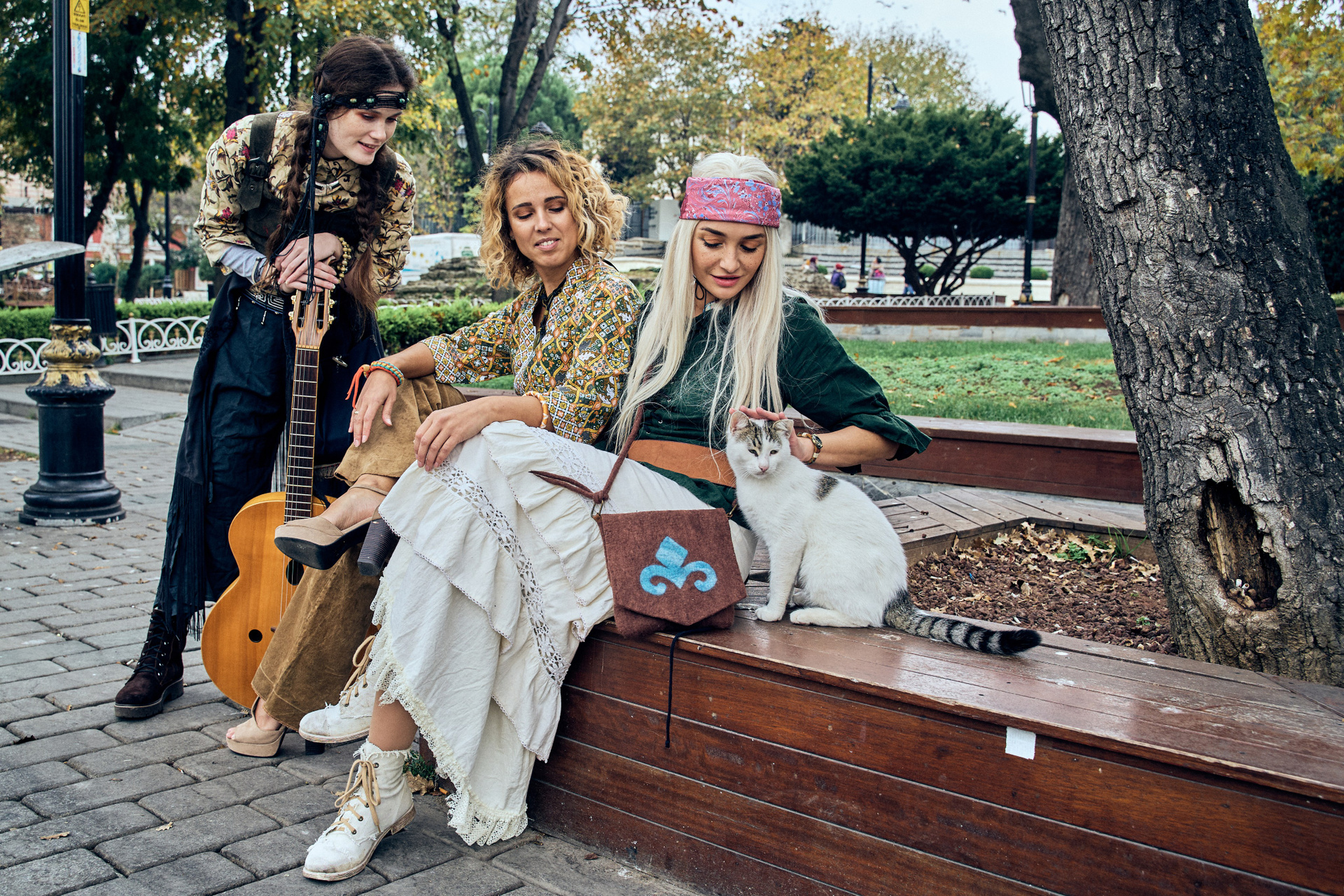
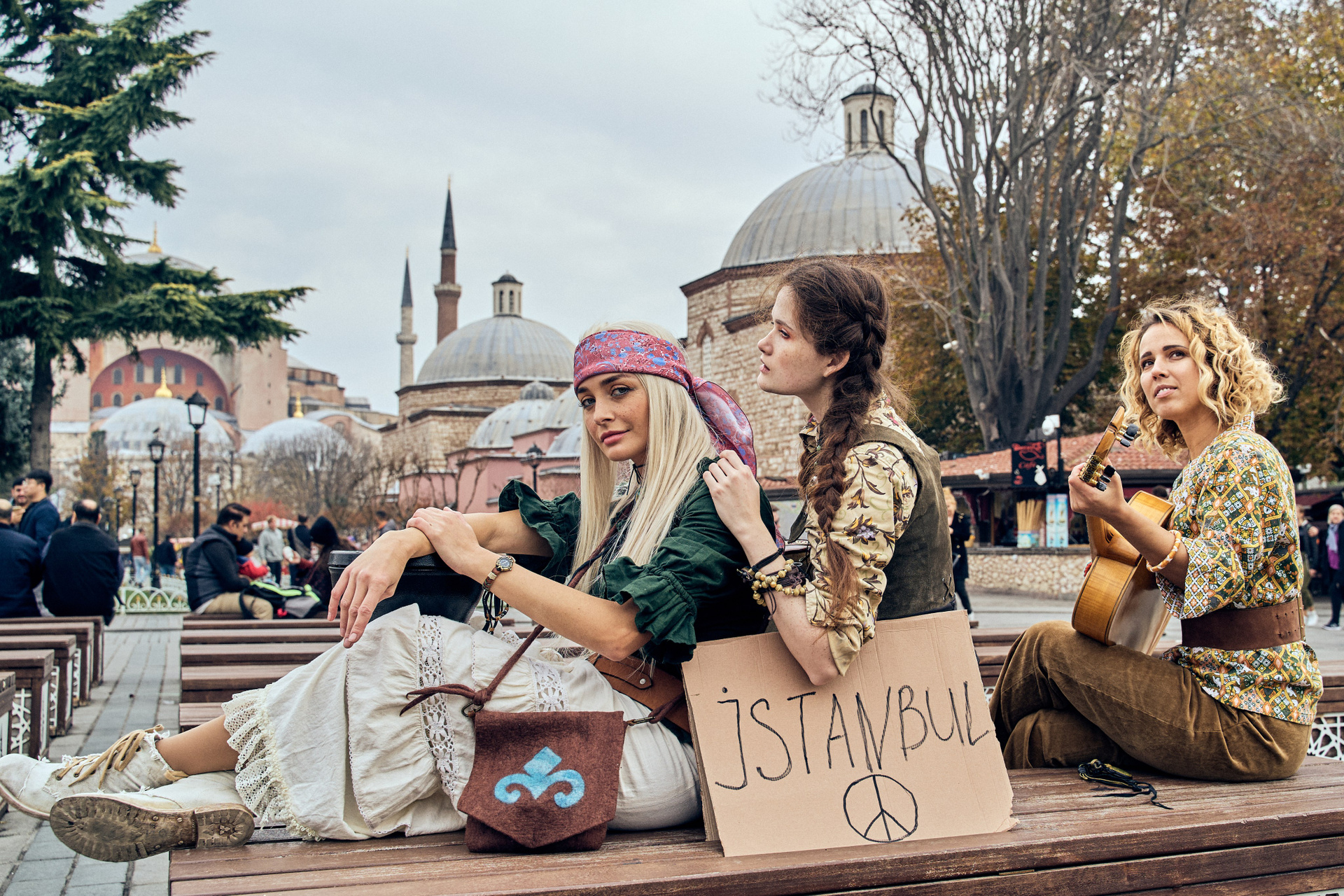
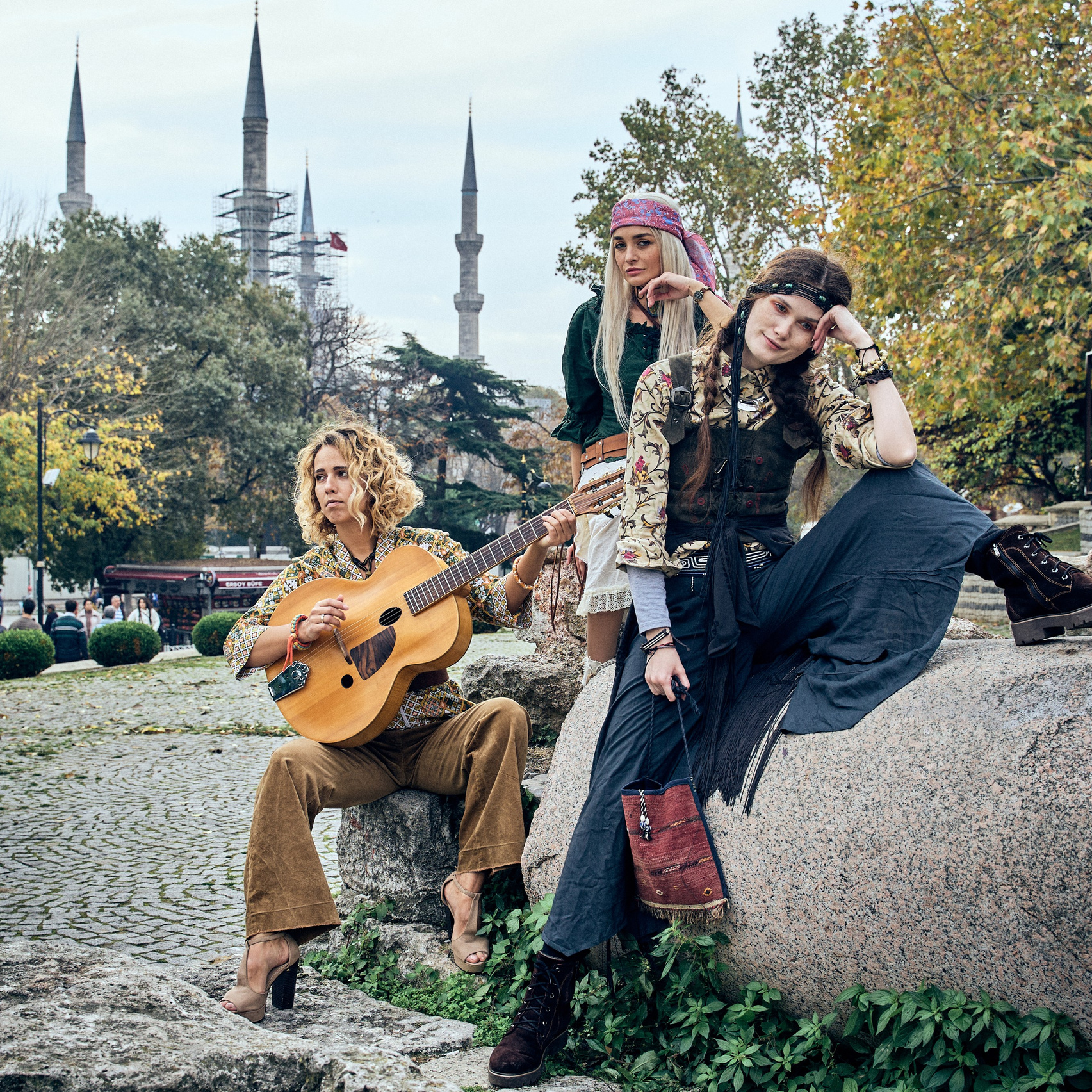
Istanbul: A Crossroads on the Road East
The Hippie Trail had no single fixed route or mandatory set of stops. Its meaning lay not so much in visiting particular places as in the journey itself. Travellers crossed Europe along different paths, although Yugoslavia and, in part, Greece were often important stages along the way.
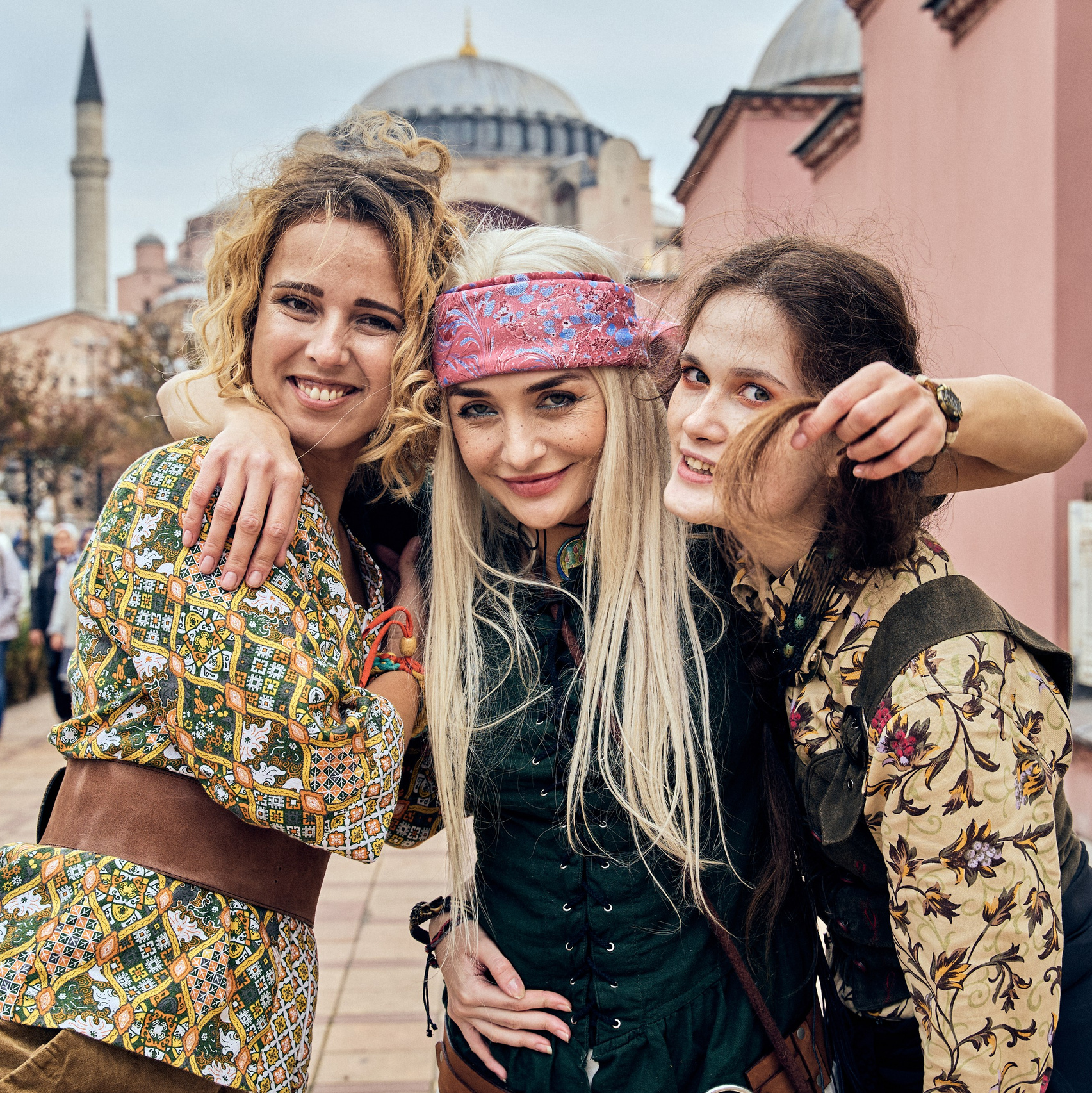
Istanbul became a kind of bottleneck, bringing together travellers heading further east. Here, the familiar European environment gave way to a different world of Muslim-majority countries and cultures.

The route could continue through Turkey, Lebanon, Iran, Pakistan and Afghanistan, often with India as a further destination. For many travellers, this was more than a journey from one country to another. It was a search for new experiences, alternative ways of life and a path of their own.
The Pudding Shop: A Meeting Place for Travellers
Before the internet, word of mouth was often the best source of up-to-date information. In key cities along the route, meeting places emerged where travellers exchanged news, searched for travel companions and drivers, discussed road conditions and planned their next journeys.
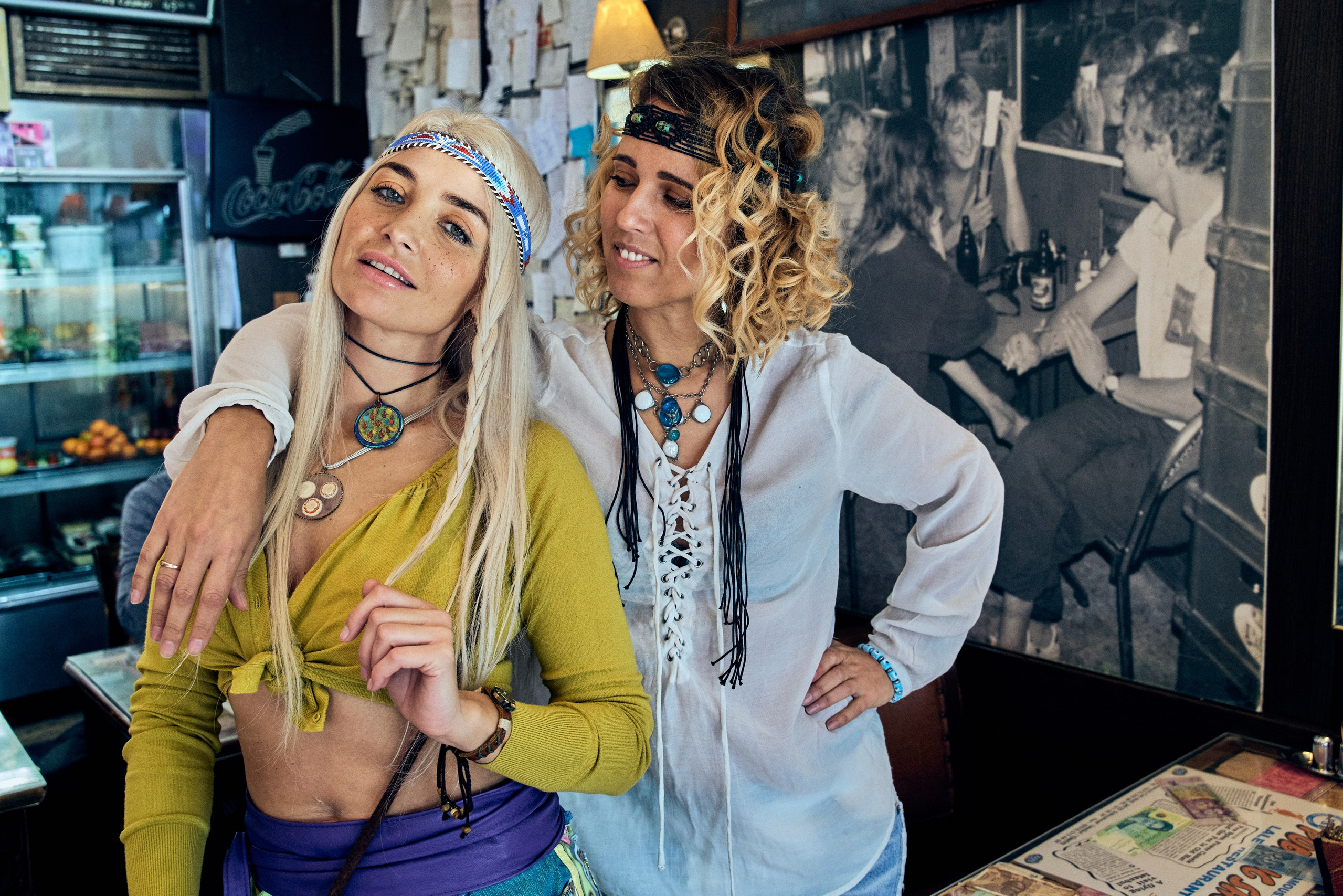
In Istanbul, one such place was the Lale restaurant, widely known as the Pudding Shop. Its noticeboard was covered with messages and announcements, while the nearby streets became stopping places for buses and vans heading east.
The restaurant’s owner liked to tell the story of how he once lent a chair from the restaurant to a bus driver who did not have enough seats for all his passengers.
The Pudding Shop was more than a restaurant. It became a symbolic meeting place for people brought together by the road and by the desire to discover a world beyond their familiar lives.
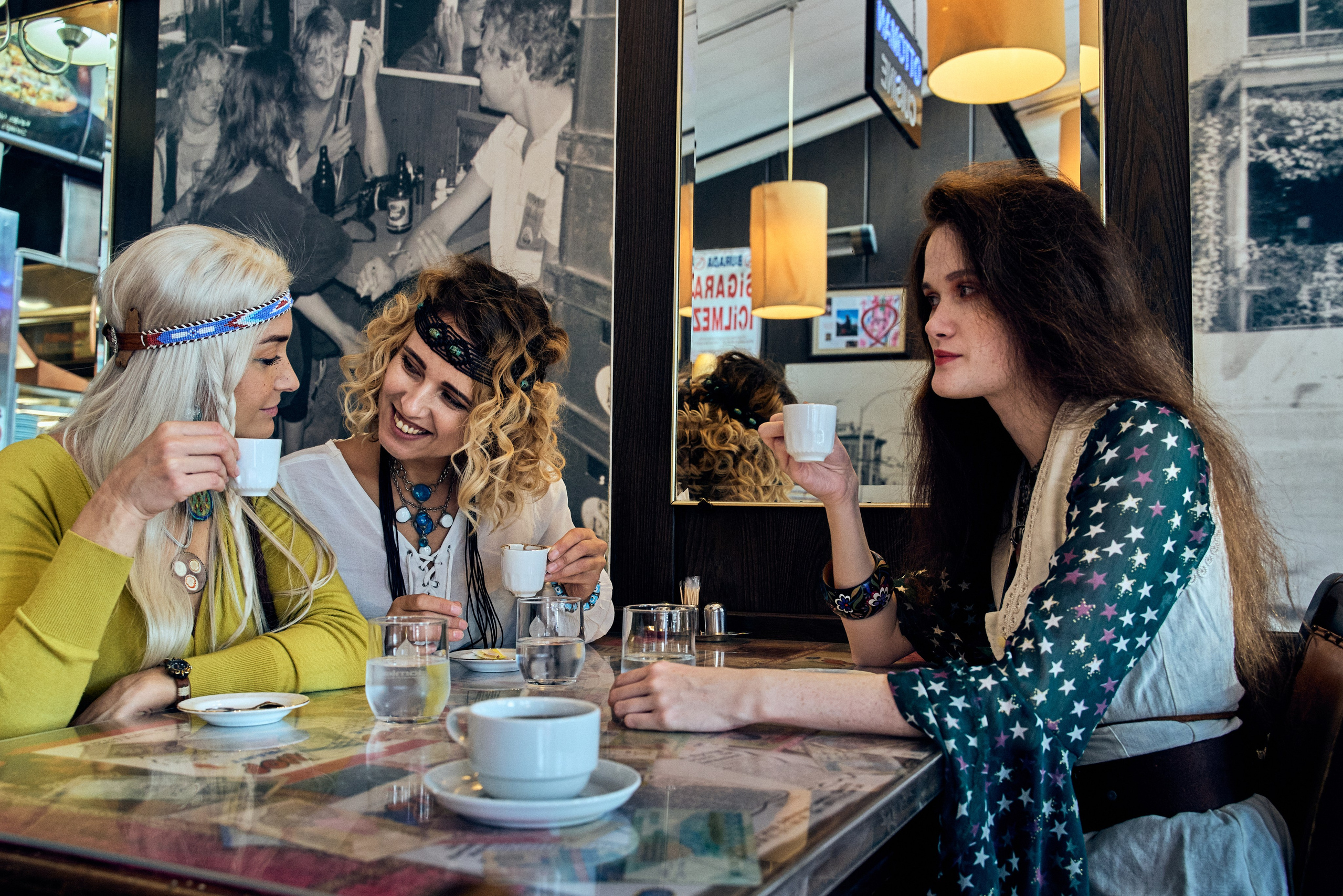
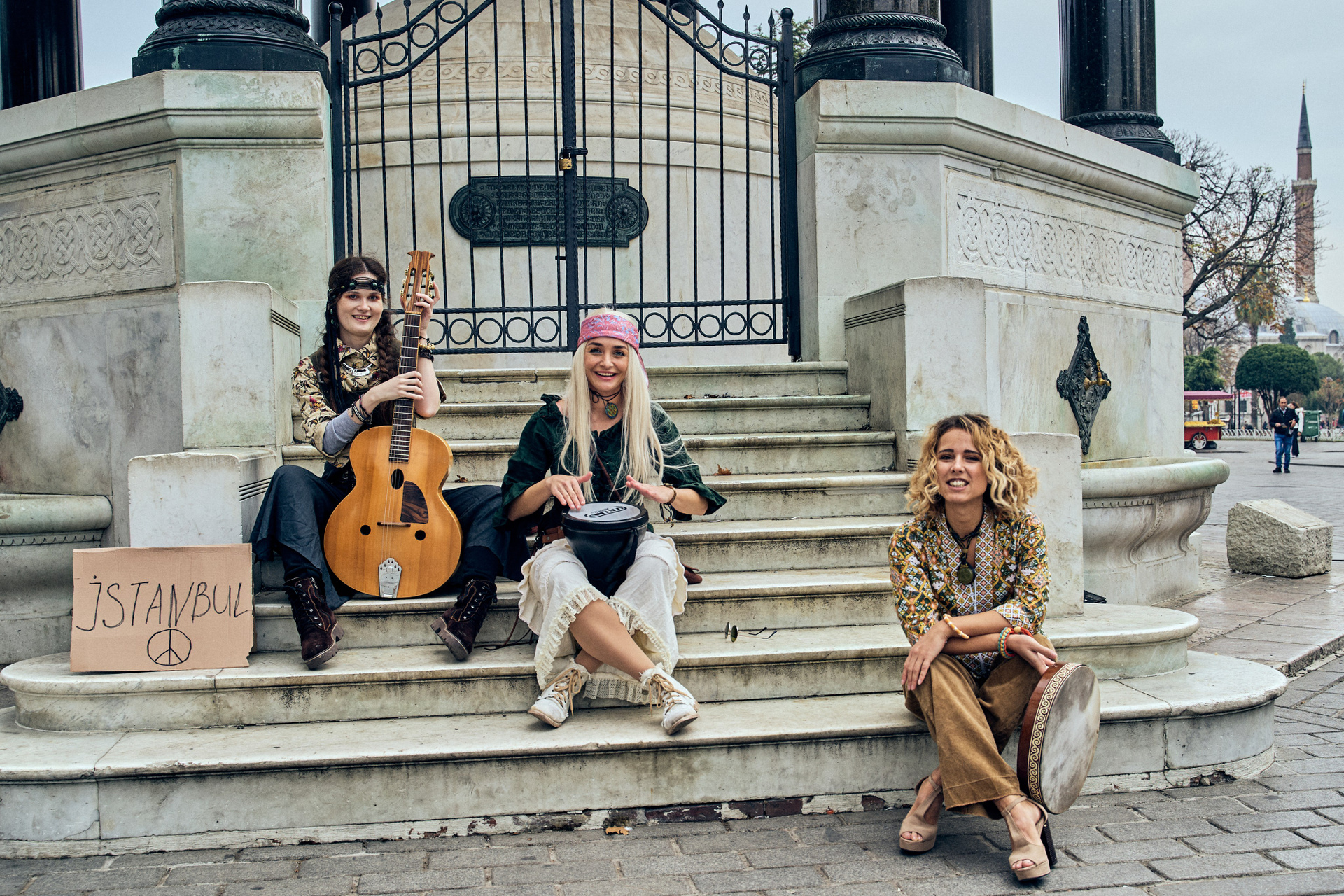
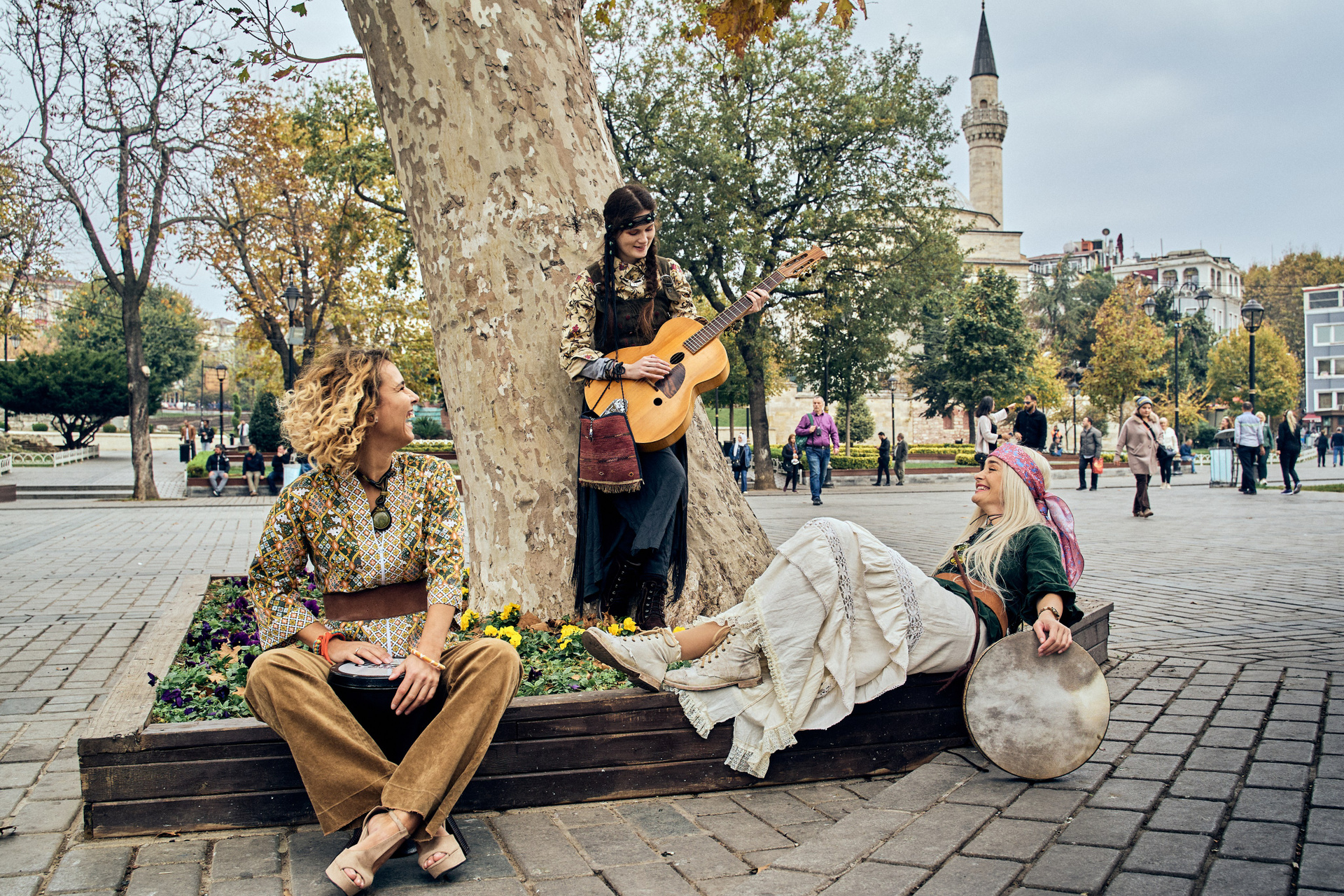
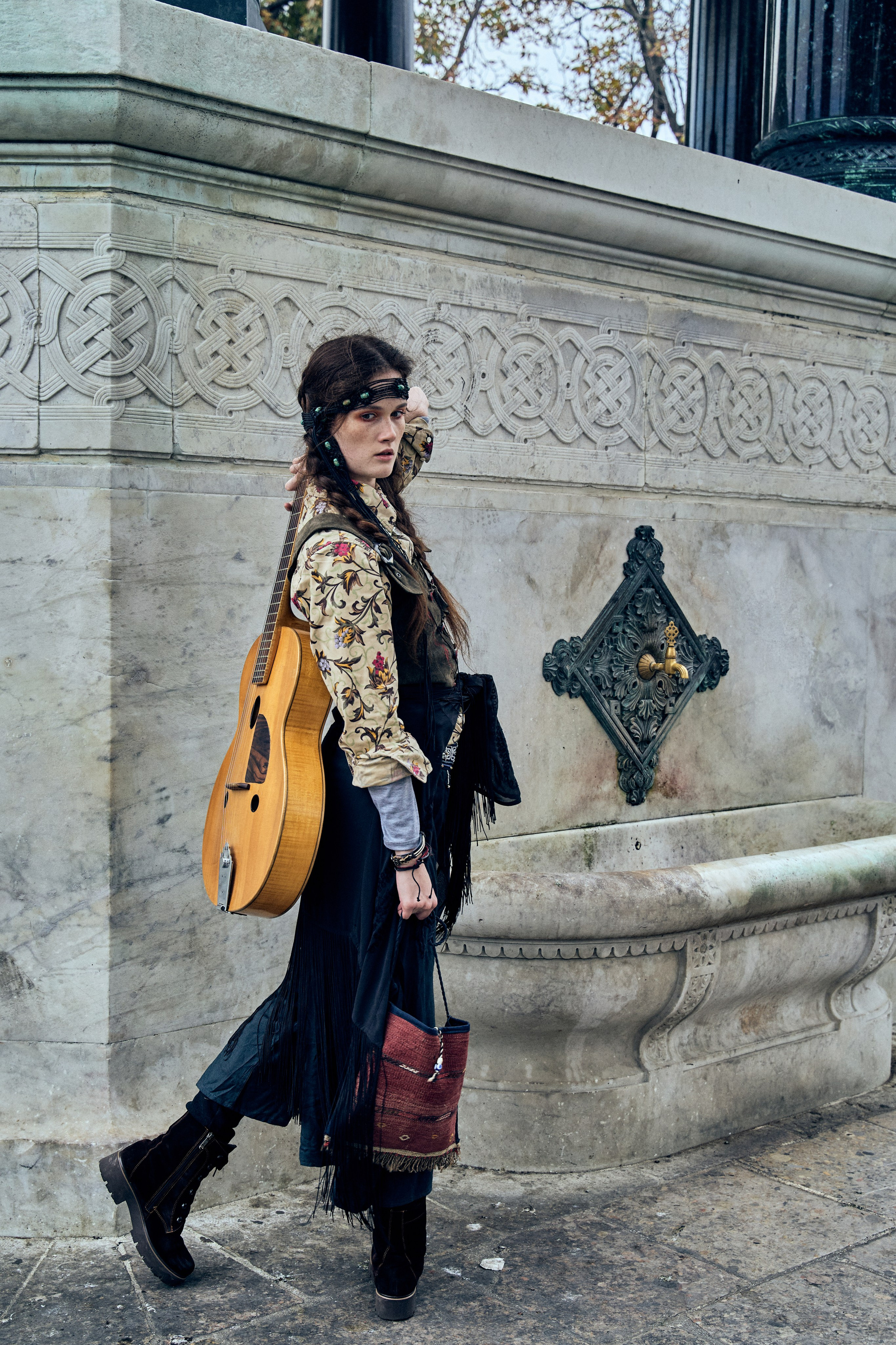
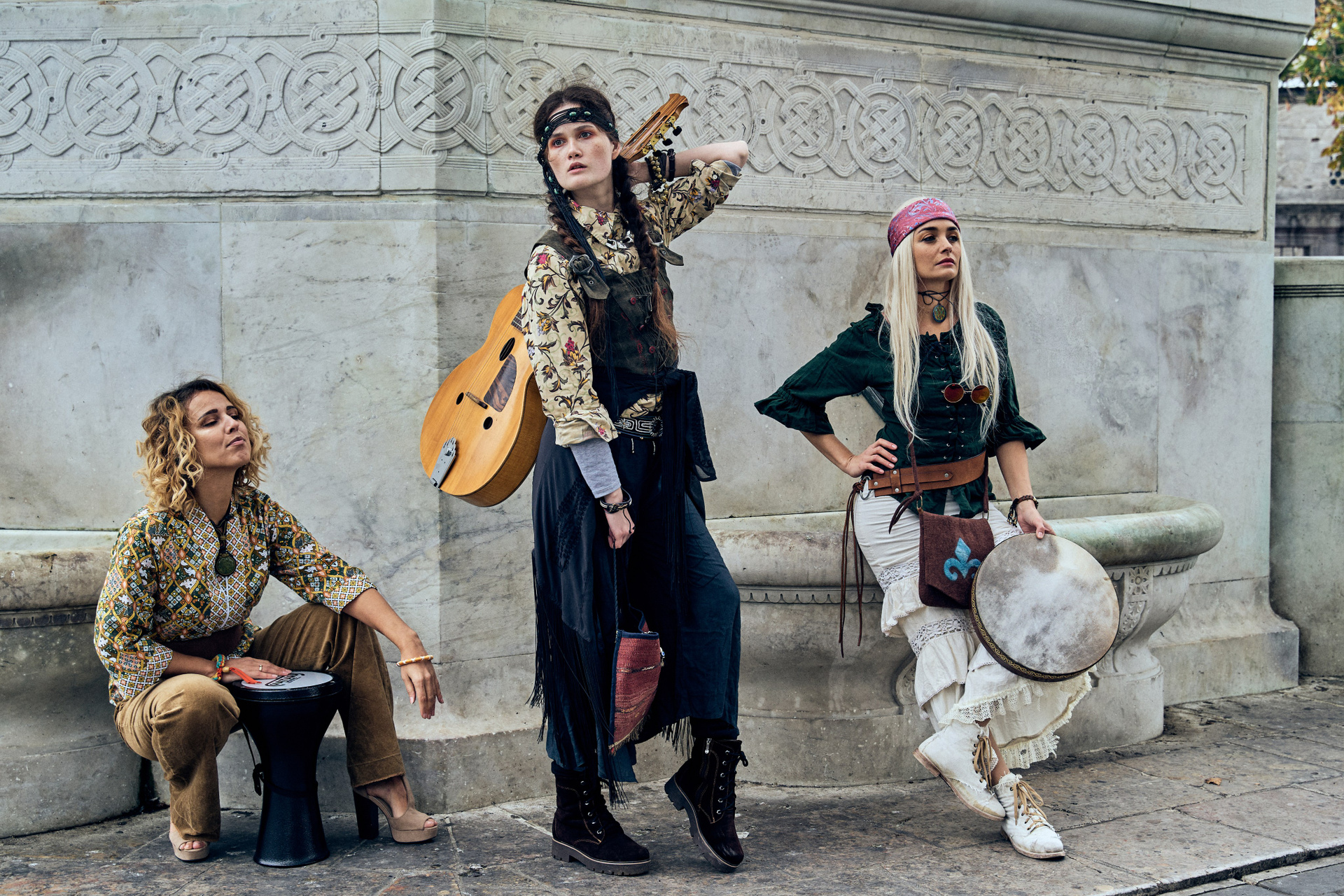
About the Photography Project
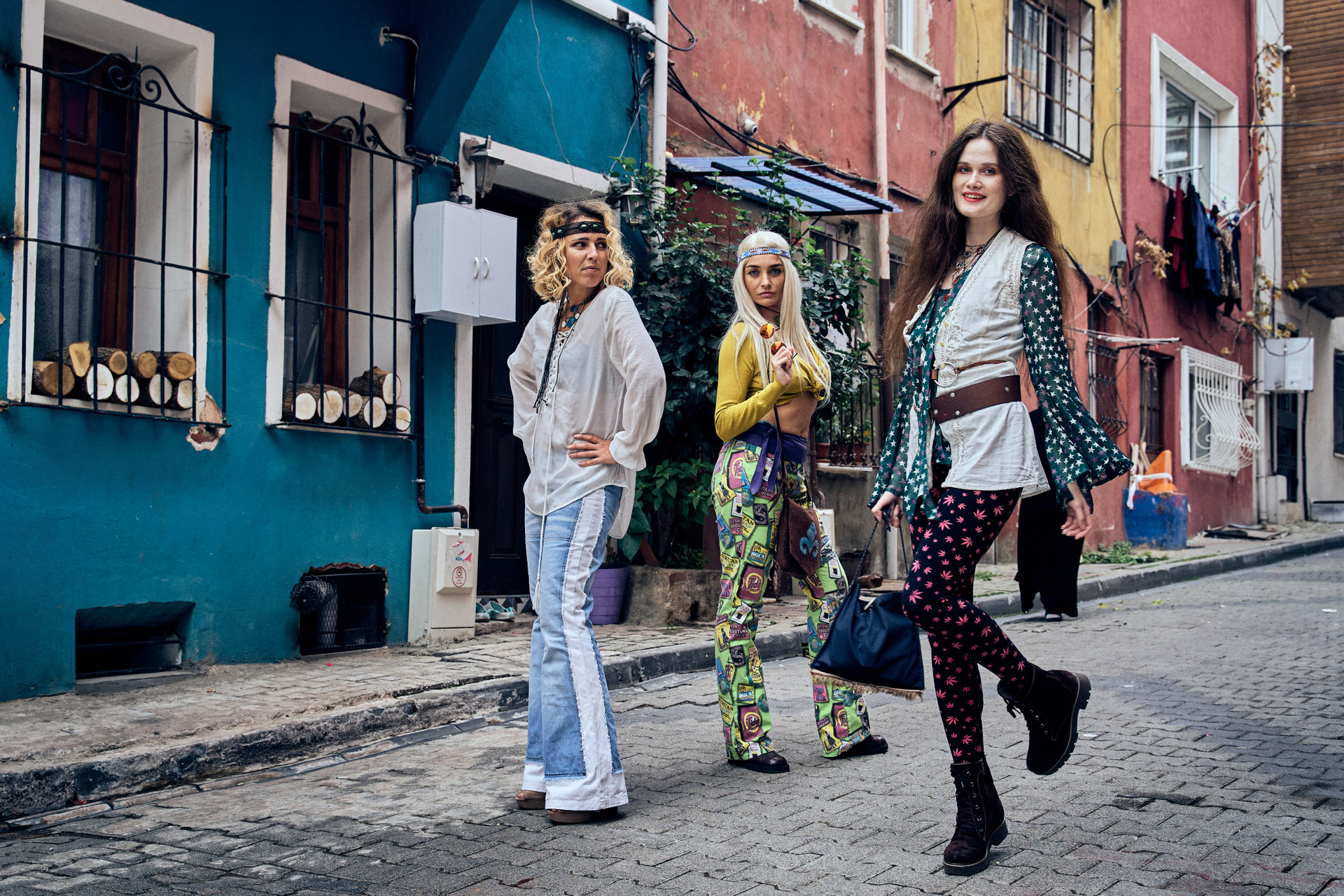
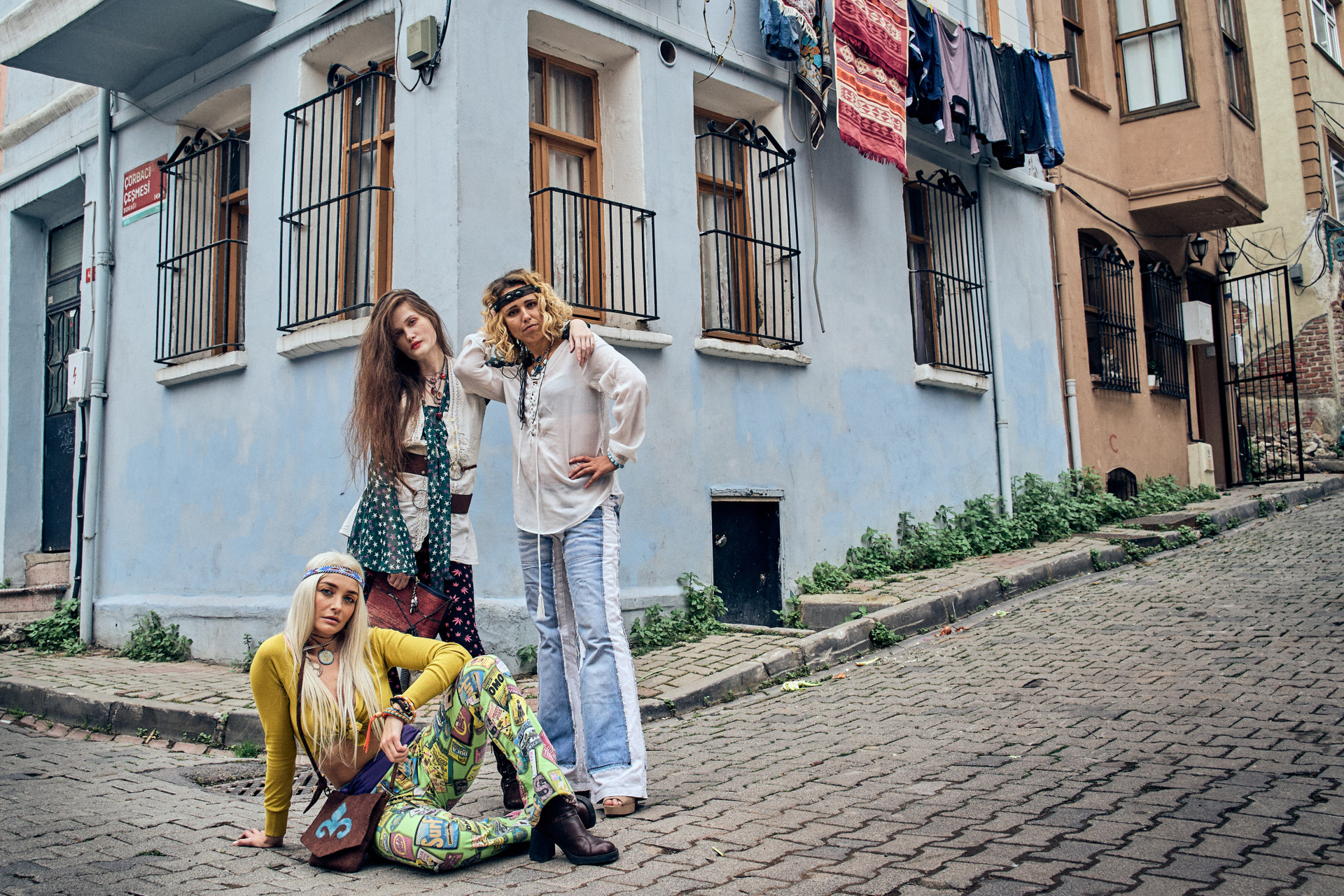
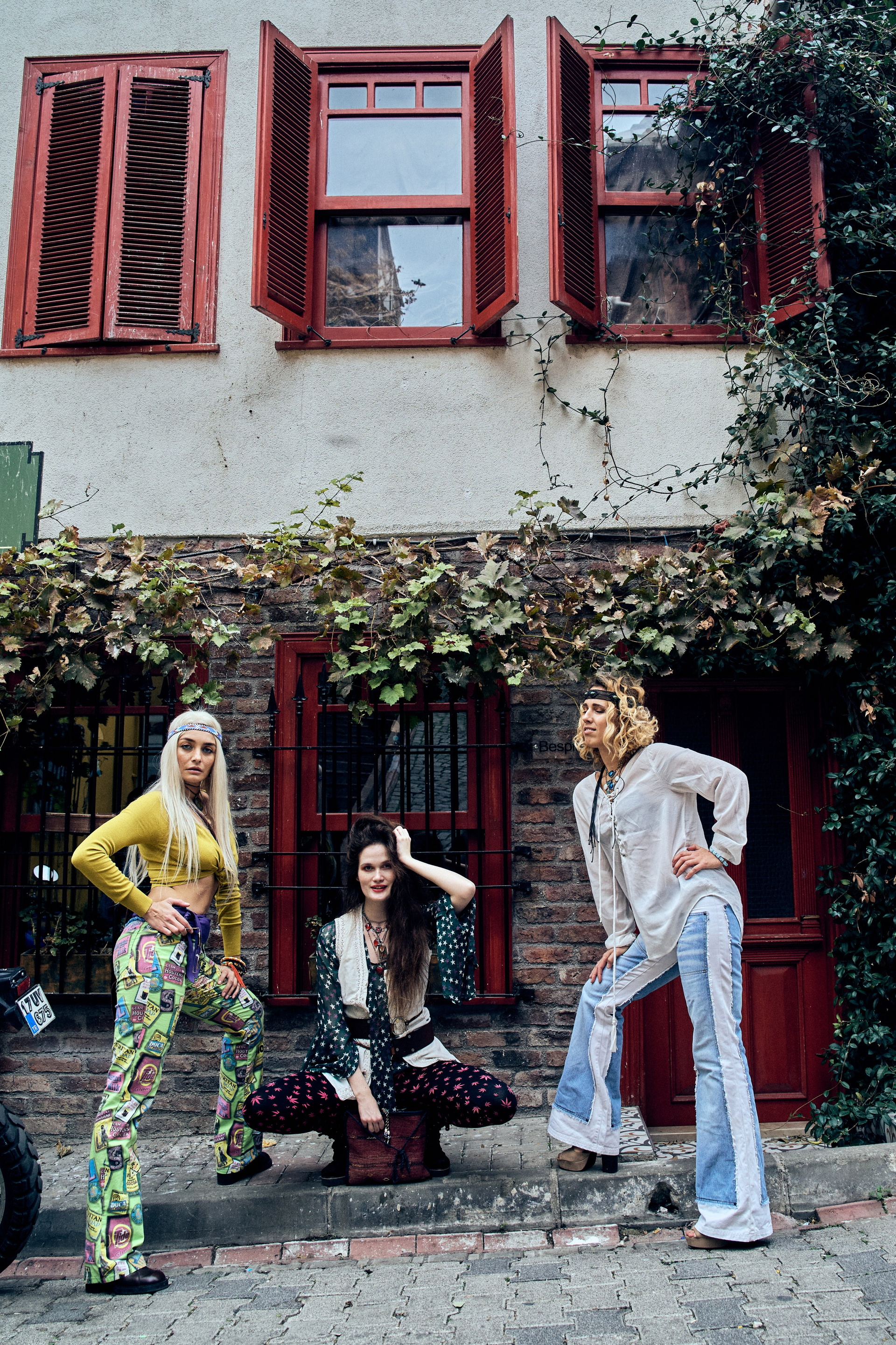
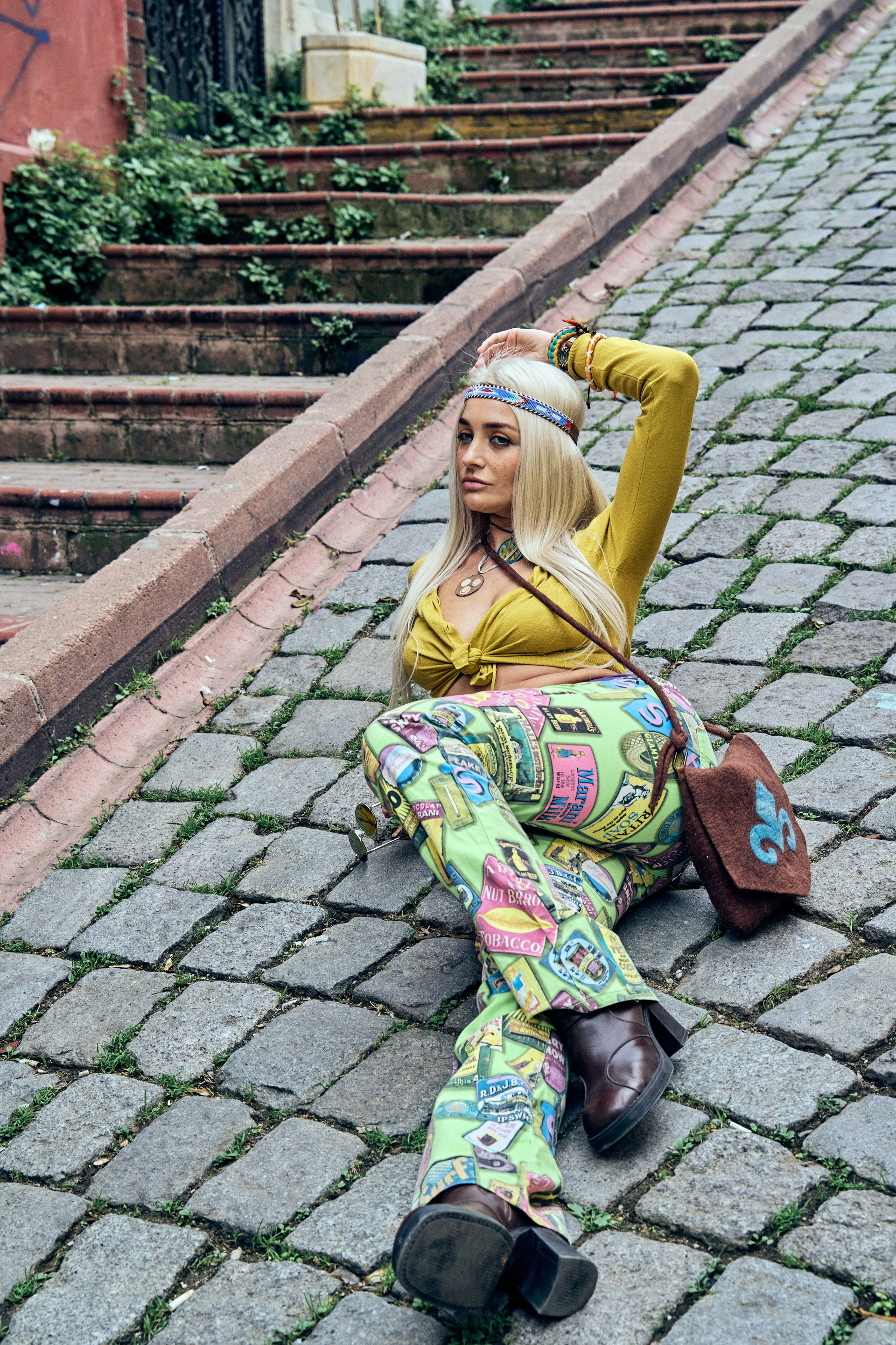
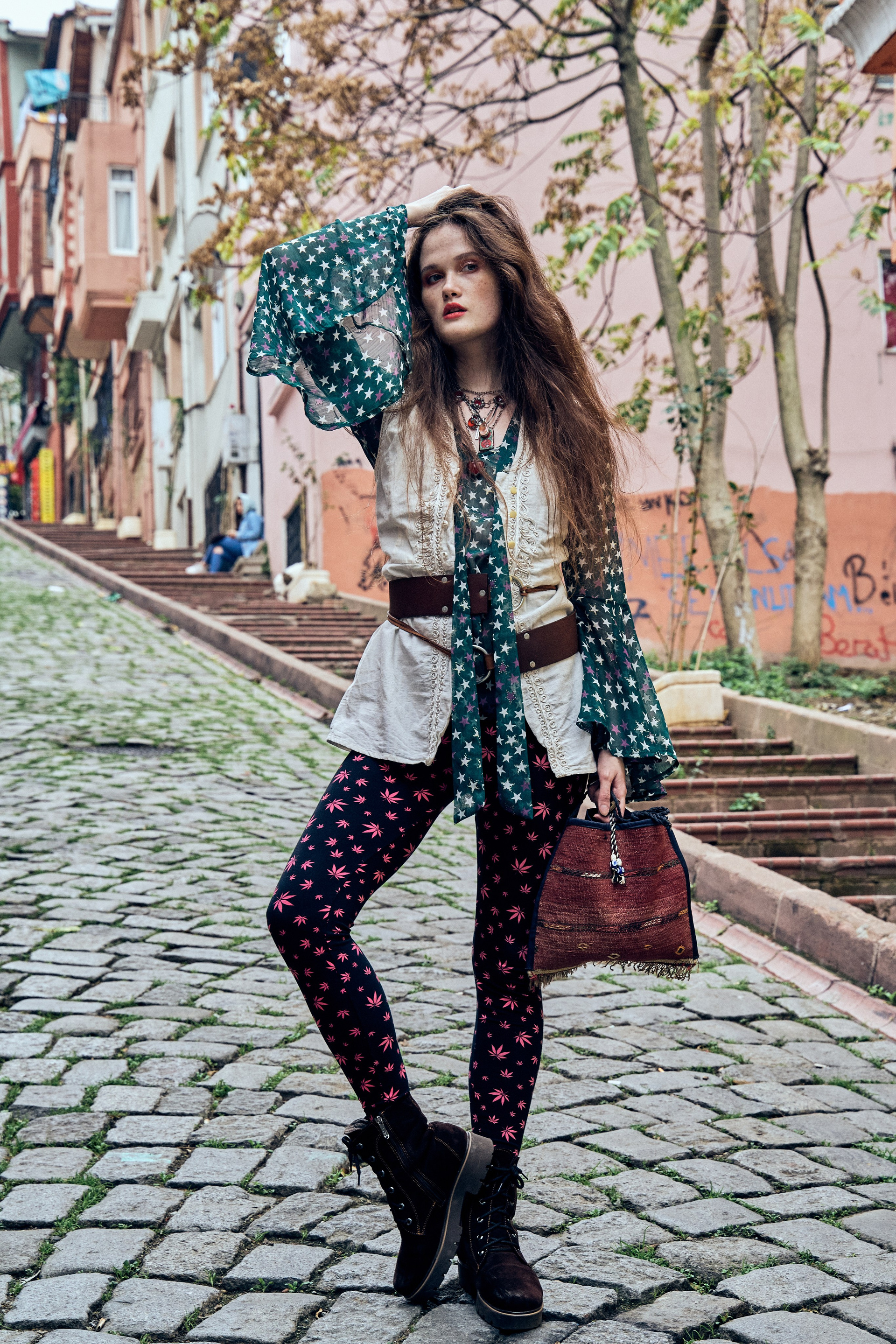
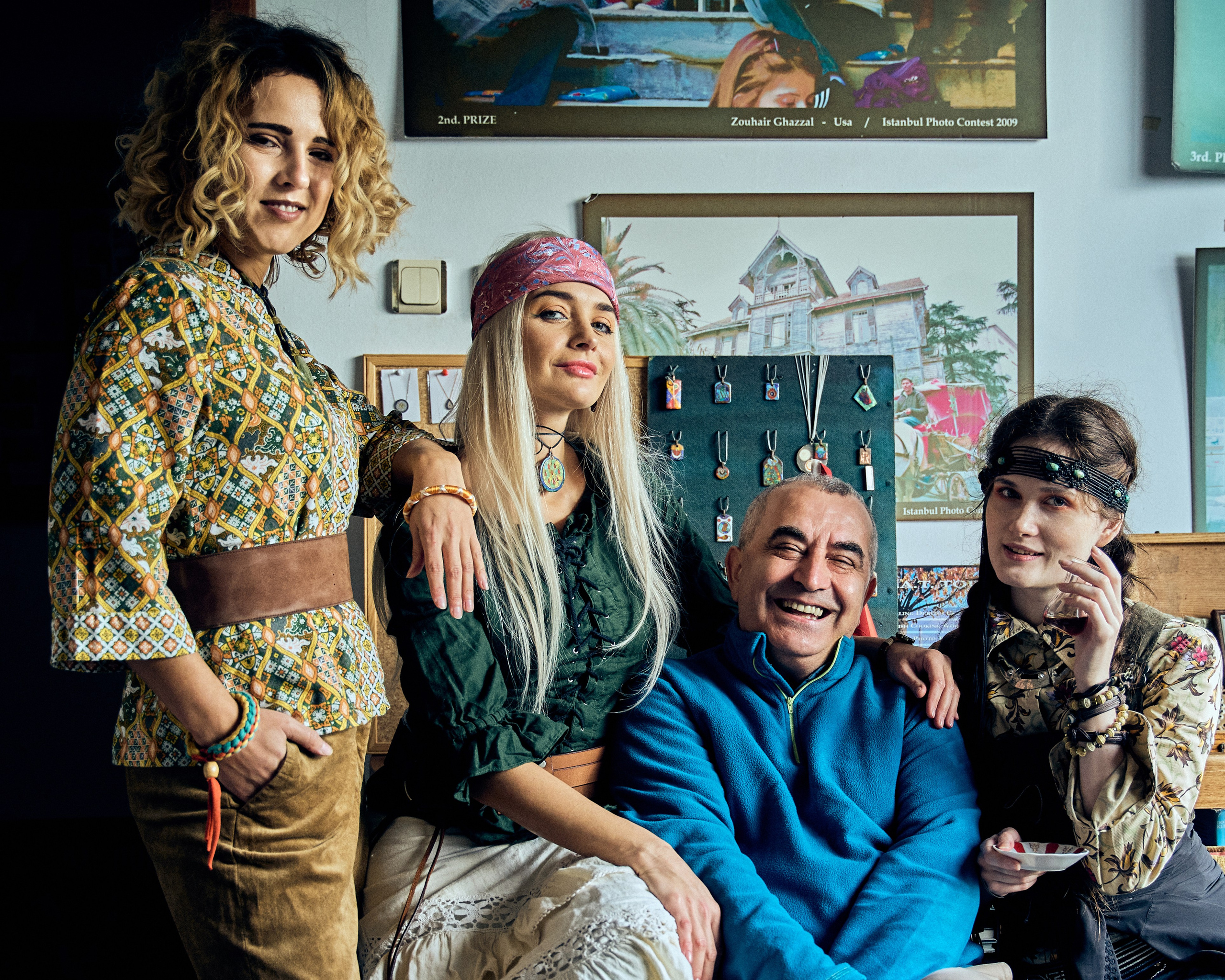
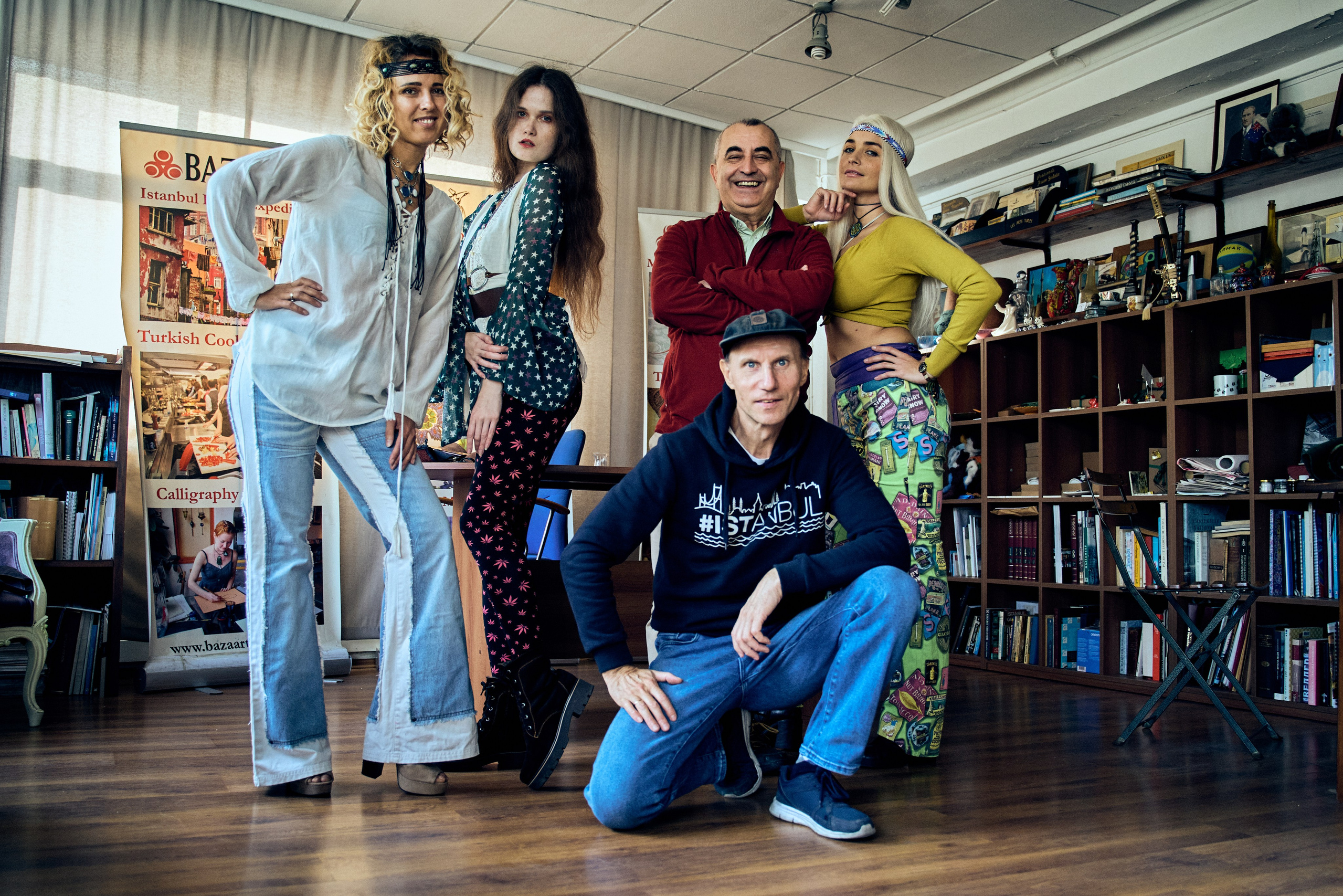
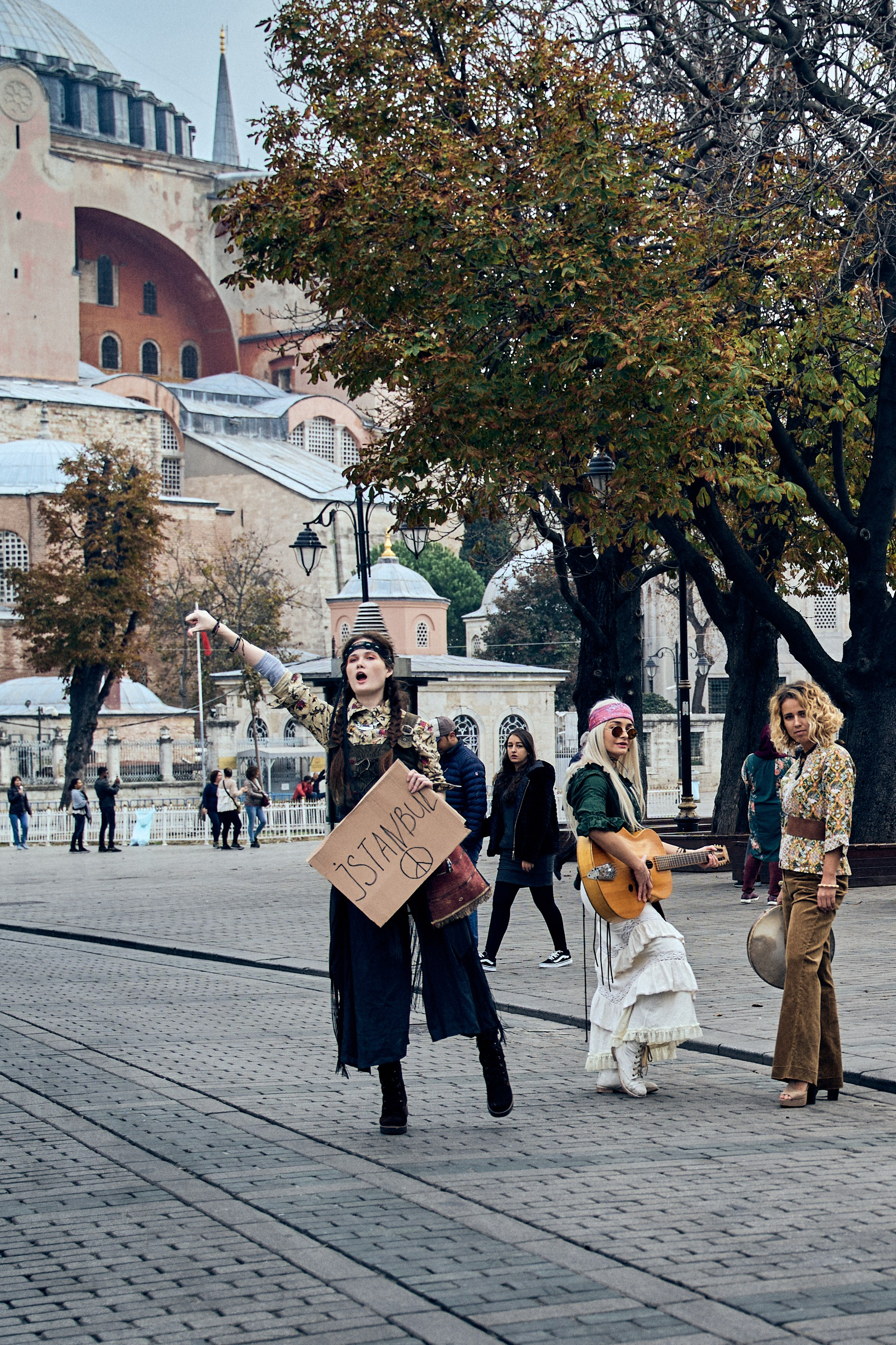
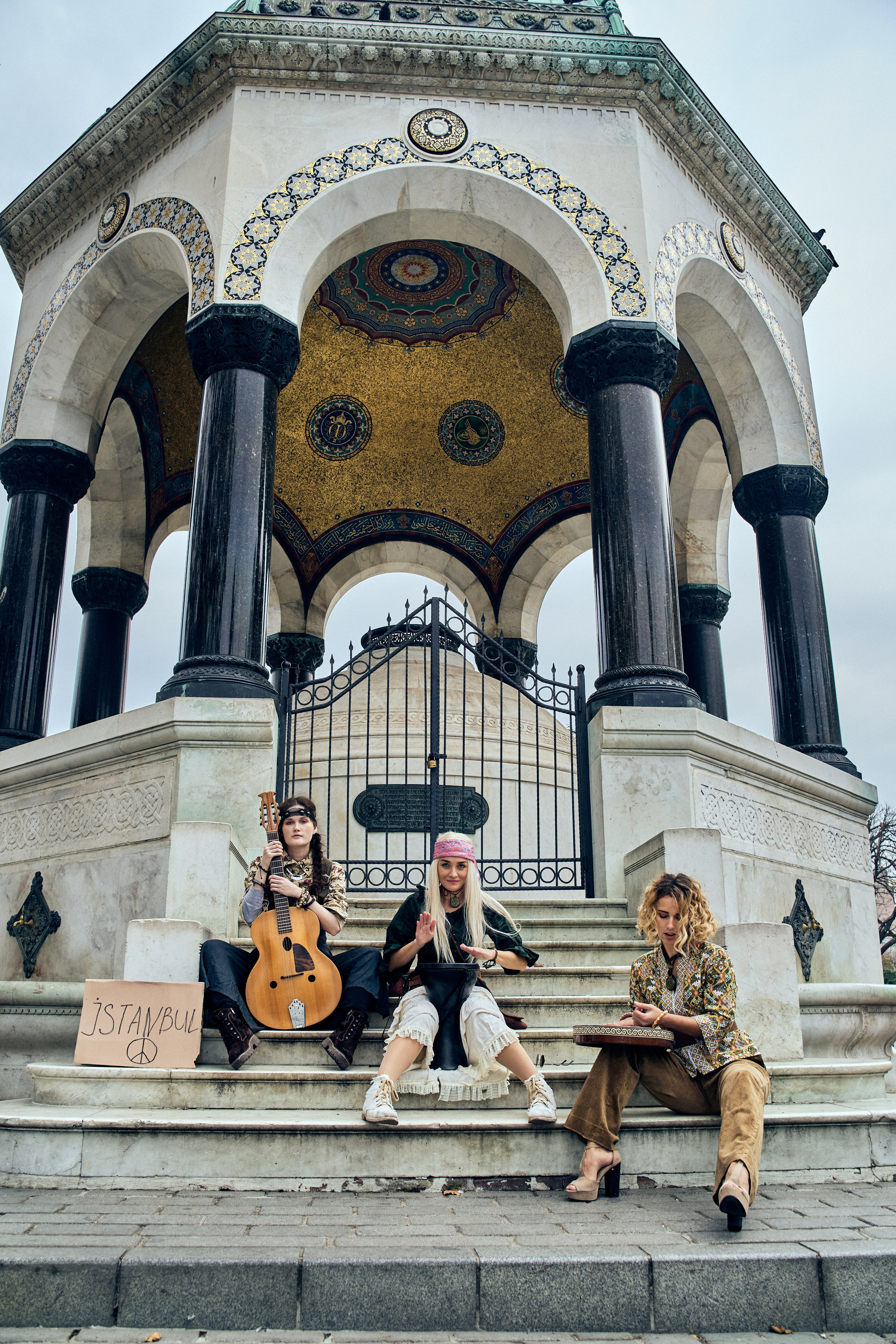
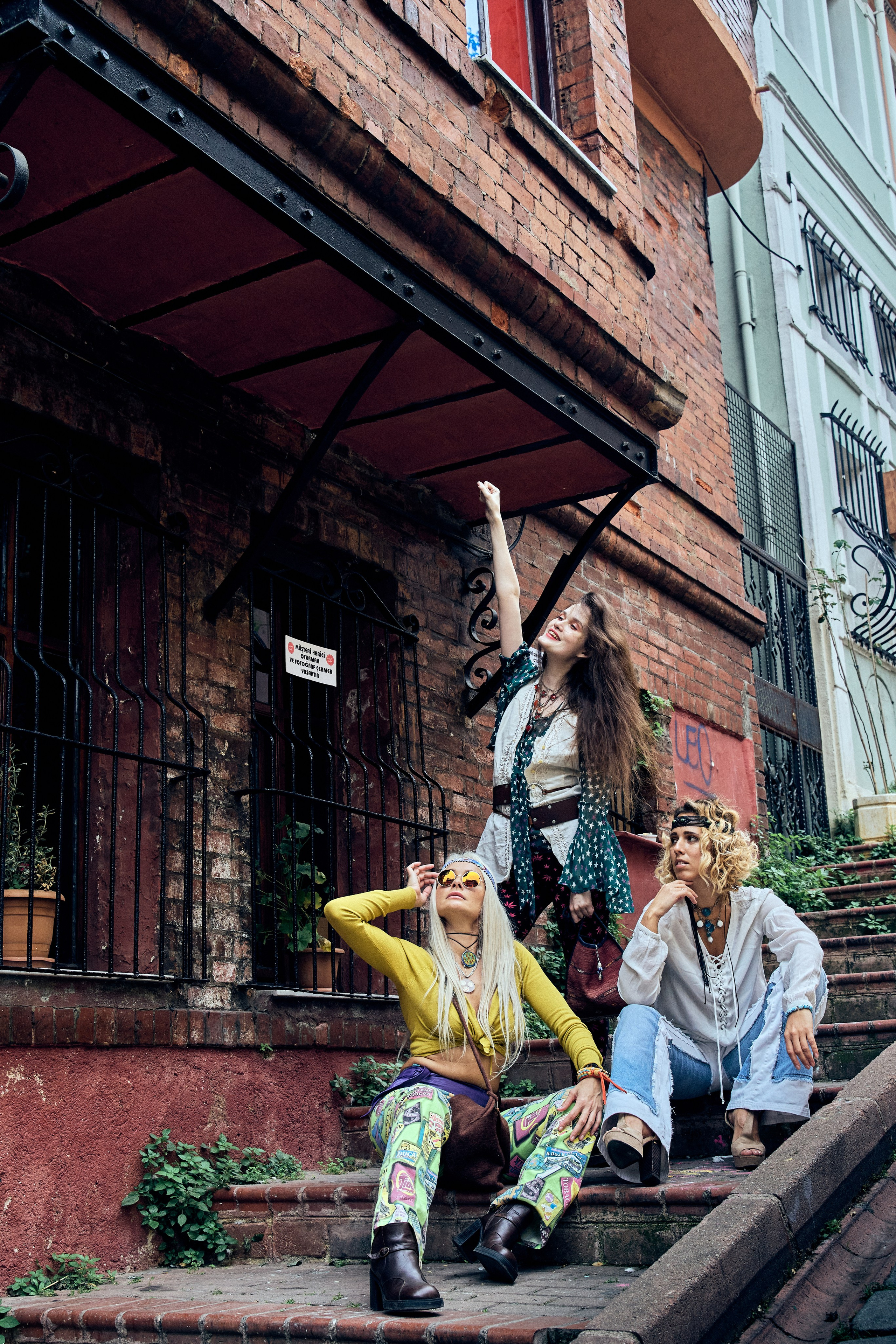
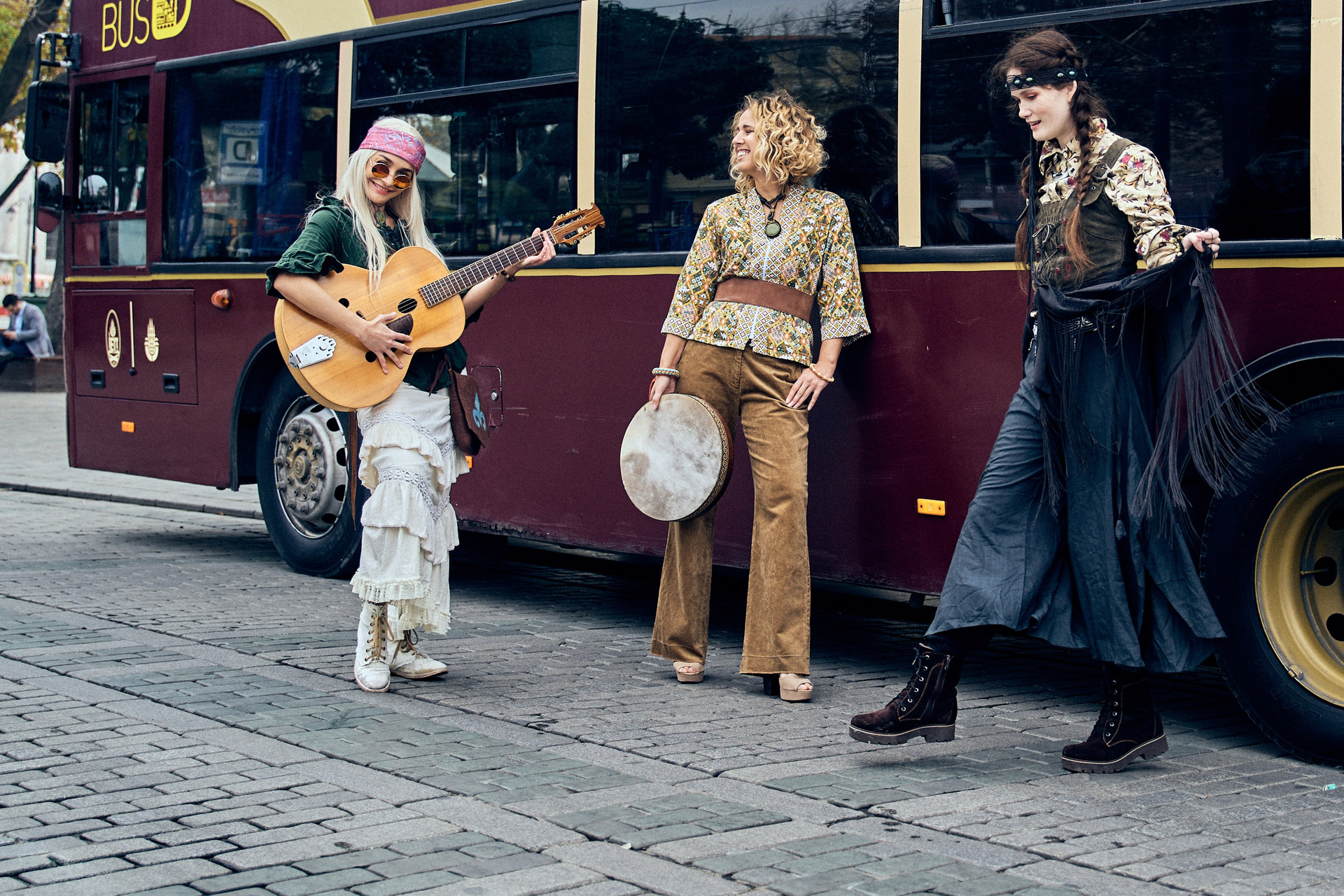
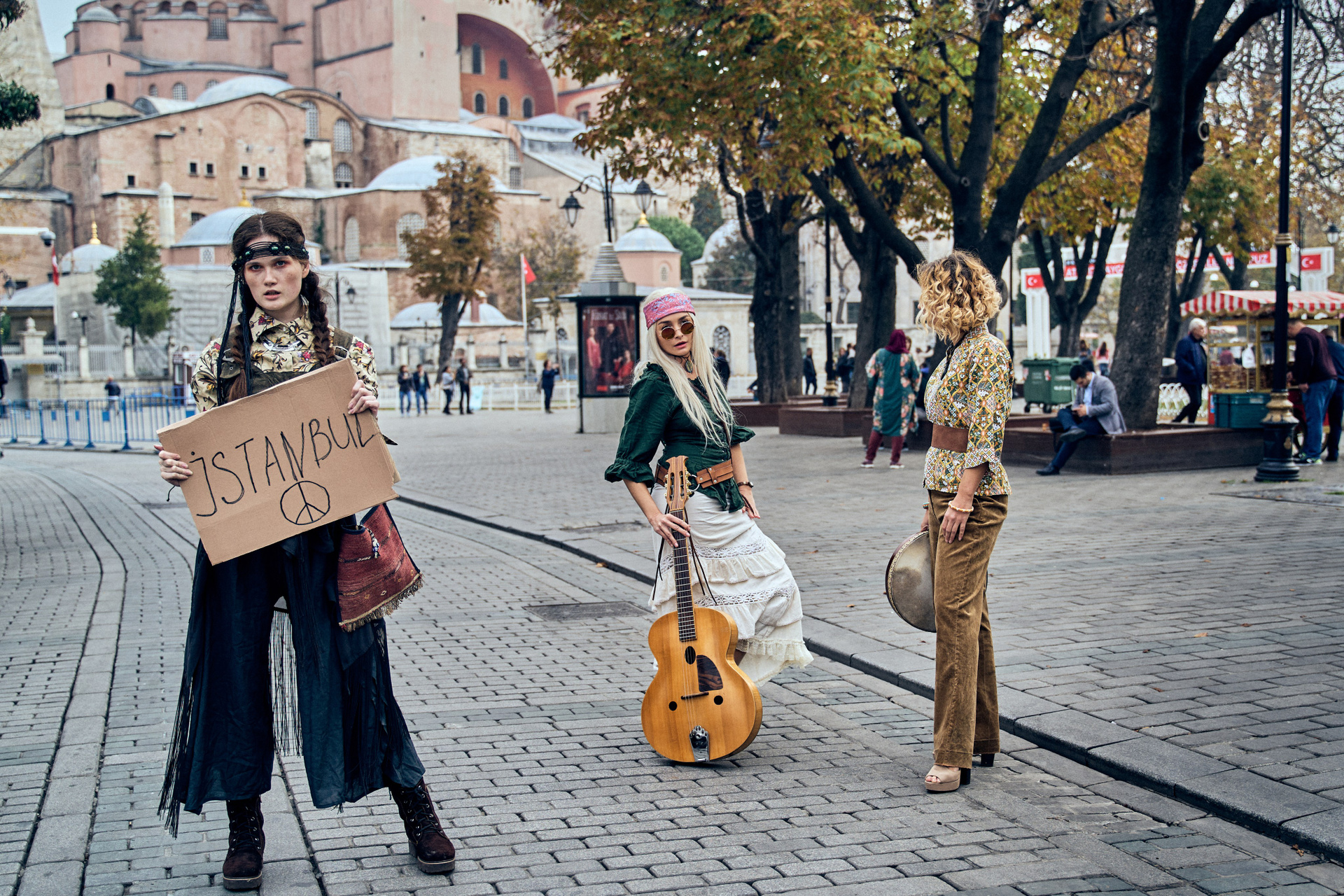
This creative photography project in Istanbul is a visual reconstruction inspired by the spirit of the hippie era. Through characters, clothing, music and scenes of city life, it revisits a time when the journey itself could be the destination.